Adaptive cruise control calibration: Safety, precision, and efficiency
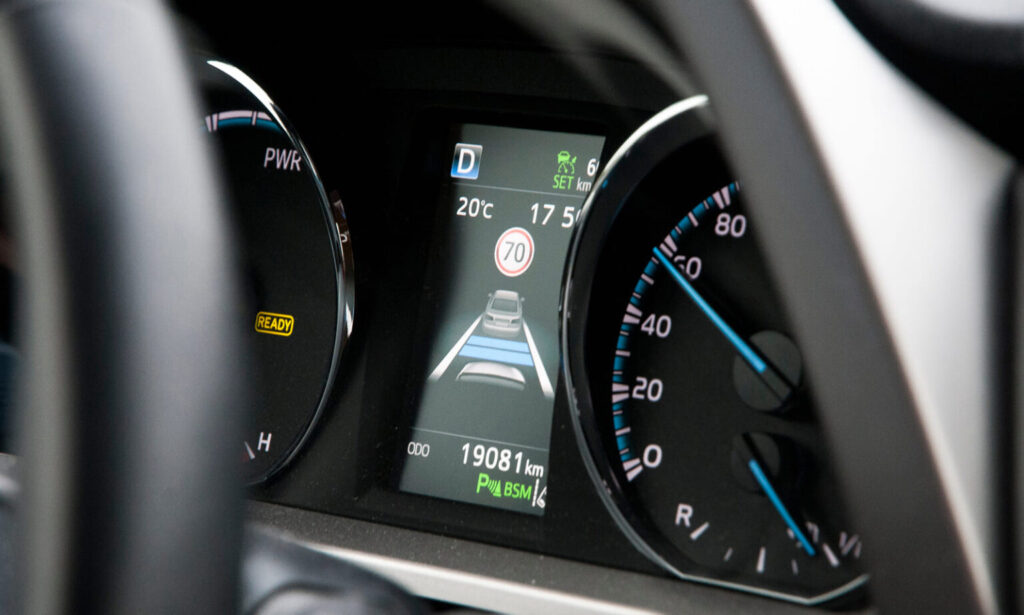
Adaptive cruise control (ACC) is one of the leading solutions in modern cars, improving both driver comfort and safety. This technology automatically adjusts the vehicle’s speed, maintaining a safe distance from the car ahead, which helps prevent potential collision risks and provides a more comfortable drive. However, for adaptive cruise control to work optimally, precise calibration is essential.
Why is ACC calibration necessary?
Proper calibration is required so that the system can accurately interpret its surroundings and respond accordingly. If calibration is not done correctly, the system may fail to display warnings or make the necessary adjustments, which affects both safety and the driving experience.
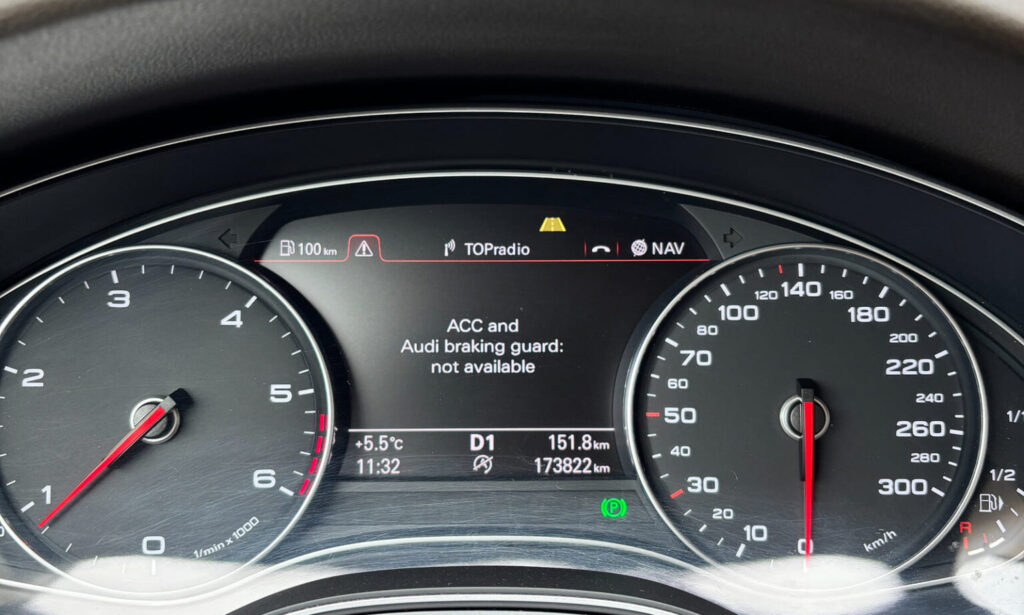
Adaptive cruise control calibration is needed when the system does not work or shows errors, for example failing to maintain distance or reacting late — this may indicate deviations in the operation of the sensors or radar, which must be corrected with precise calibration.
Adaptive cruise control calibration – the highest precision
Adaptive cruise control calibration involves precisely aligning the radar, cameras, and other sensors that act as the vehicle’s “senses” in perceiving its surroundings. This process is essential to ensure flawless system sensitivity, response speed, and the accuracy of the safety functions. Only a properly calibrated system can reliably detect vehicles ahead, maintain a safe distance, and adjust speed in real time.
Calibration usually becomes necessary in the following cases:
- If the ACC system does not work or shows errors
- After windshield replacement, if the camera or sensor is integrated into the glass
- After an accident or even a minor impact that may affect the sensor position
- After bodywork or chassis repairs that may change the angles of the radar sensor or camera
- After wheel alignment adjustment, which changes the geometry of the car’s direction of travel
- After replacement of electronic components (cameras, sensors, control units)
- After car tuning or modifications affecting ride height, suspension, or design
- After software updates or error clearing in the vehicle’s control unit
Calibration is not just a technical operation — it is a kind of “vision correction” that allows the car to see its surroundings clearly and respond to them appropriately. Precisely adjusted adaptive cruise control is not just a matter of comfort, but above all — a guarantee of safety.
Precision and safety – our calibration promise
- Original Hella software and a professional rig — Calibration built on precision.
- Static and dynamic ADAS calibration — A tailored approach to match your car’s requirements.
- Digital report from Hella Cloud — Clear proof of a successful calibration.
- Insured liability, including during dynamic calibration — Your car is in safe hands.
- Full service cycle — We also handle electronics issues related to ADAS calibration.